
Why Most Organizations Are Losing Their Documents — And Don’t Even Know It
March 24, 2026
How to Build a Simple and Effective Document Management System
March 26, 2026
Record management has changed significantly over the years as organizations handle more information than ever before. Documents are no longer limited to a few files stored in cabinets; they exist in large volumes and in different formats, making it harder to manage them using traditional methods.
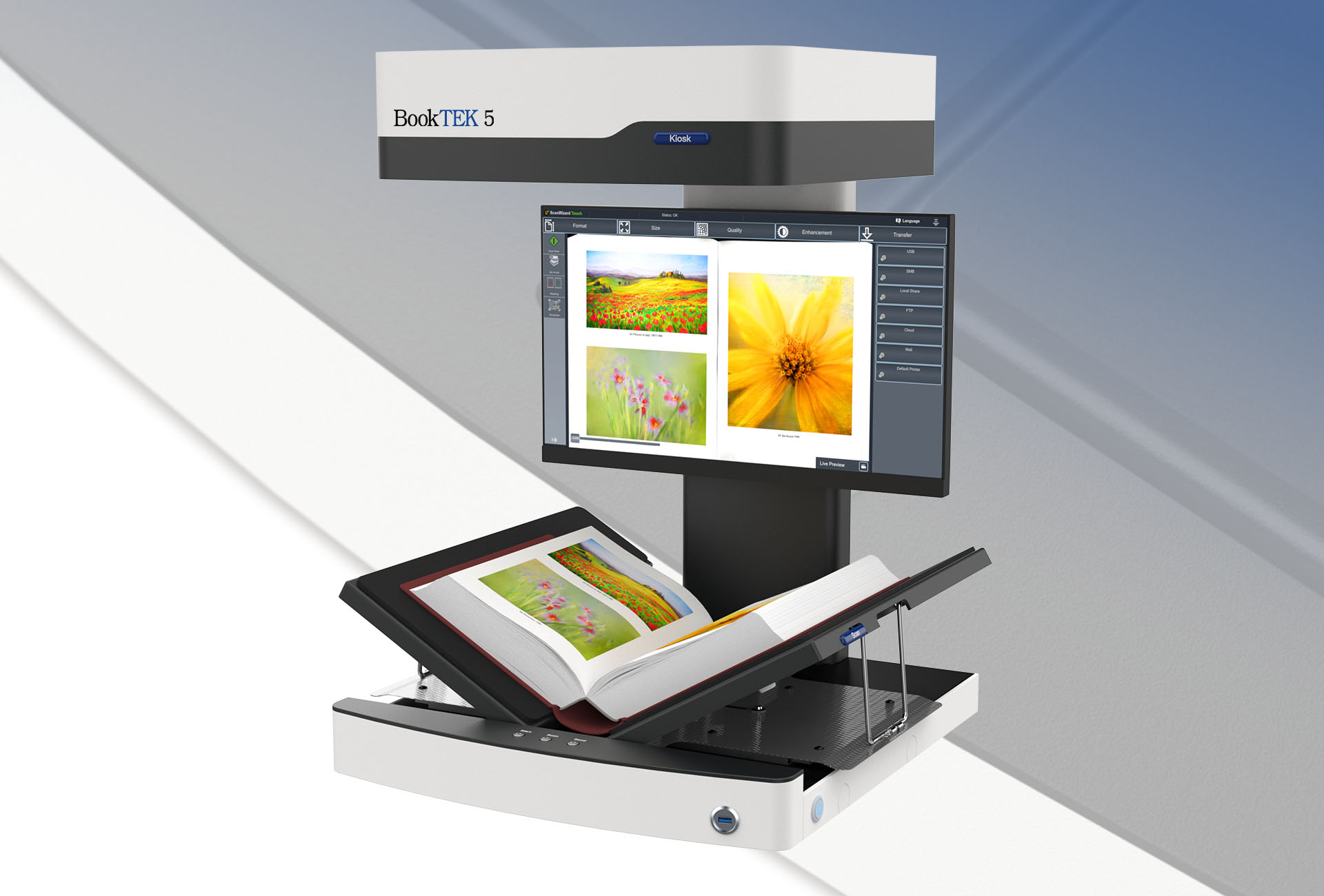
In this shift, scanning has become an essential part of how organizations move from physical records to structured digital systems. It is no longer just about converting paper into digital copies, but about creating a more efficient and reliable way to store, access, and use information.
Moving from Paper to Digital Systems
Many organizations still rely heavily on paper records, which can be difficult to maintain over time. Physical documents take up space, are prone to damage, and often require manual effort to retrieve.
Scanning provides a practical way to convert these records into digital formats that are easier to store and manage. Once documents are digitized, they can be organized within systems that allow faster access and better control, reducing the limitations that come with physical storage.
Improving Access to Information
One of the most important benefits of scanning is how it improves access to information. Instead of searching through files or storage rooms, users can locate documents quickly through digital systems.
When scanning is done properly and combined with clear organization, documents can be retrieved in seconds. This makes everyday tasks more efficient and allows teams to work with information without unnecessary delays.
Supporting Better Organization
Scanning alone is not enough if documents are not properly organized after they are digitized. Its real value comes when it is part of a structured system where files are clearly named, categorized, and stored in a consistent way.
With proper organization, scanning helps create a system where documents are not just stored but are easy to understand and manage. This reduces confusion and ensures that information remains useful over time.
Enhancing Security and Preservation
Digital records created through scanning are easier to protect and preserve compared to physical documents. Paper files can be damaged by time, handling, or environmental conditions, while digital files can be backed up and secured.
With the right systems in place, organizations can control access to sensitive information and ensure that important records are not lost or altered. This makes scanning an important step in maintaining both the safety and reliability of documents.
Conclusion
Scanning plays a key role in modern record management by helping organizations move from manual, paper-based systems to more efficient digital environments. It improves access to information, supports better organization, and helps preserve important records over time.
Organizations that use scanning as part of a structured approach to managing their documents create systems that are easier to maintain and more effective in supporting daily operations. In a time where information is central to how work is done, this shift is no longer optional but necessary.