
Why Businesses Are Investing More in Information Management Systems
May 26, 2026
What Businesses Should Know Before Starting a Digitization Project
June 16, 2026
Access to information plays a major role in how efficiently organizations operate. Employees rely on documents and records every day to complete tasks, make decisions, respond to clients, and maintain workflows across departments.
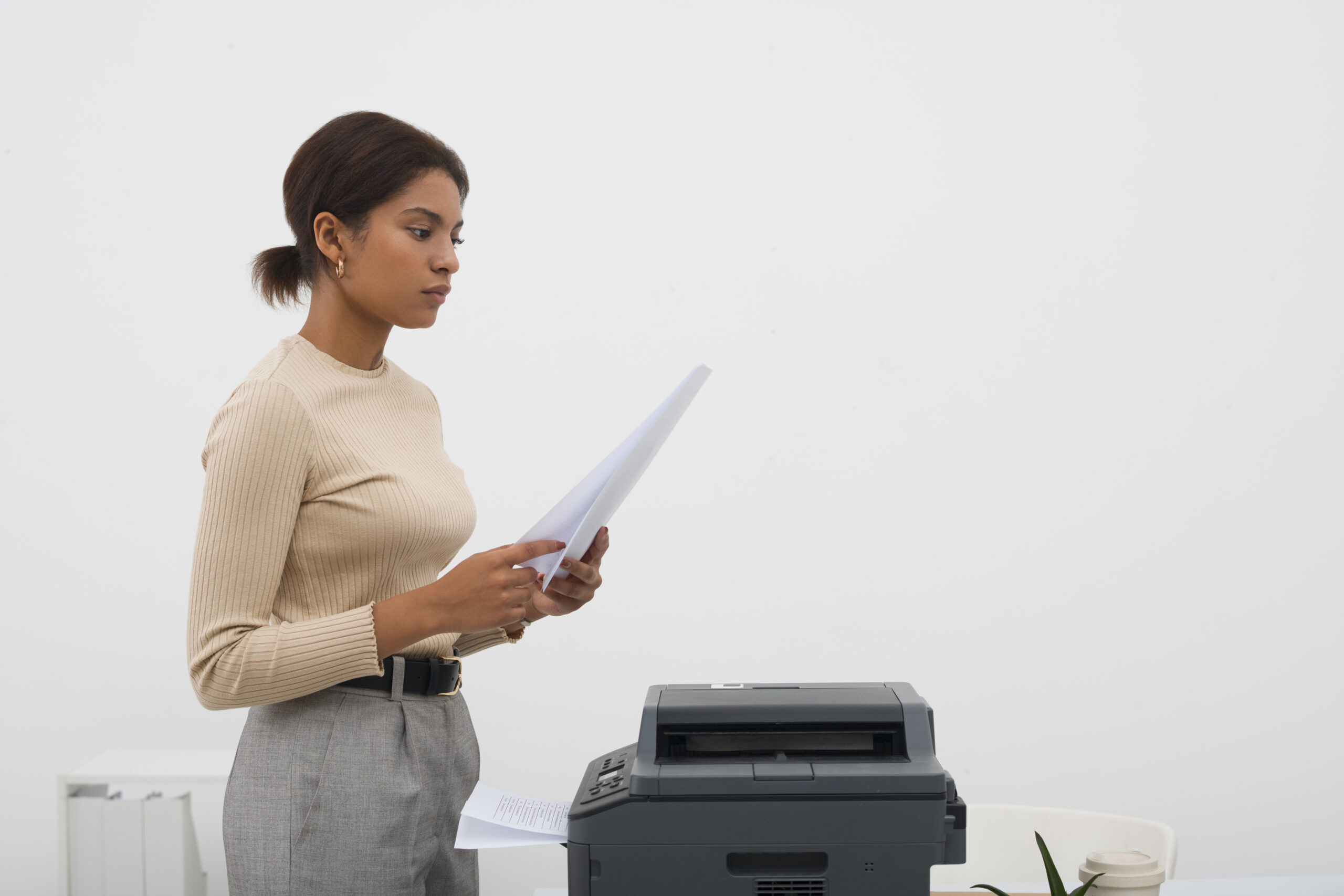
However, when important information exists mainly in paper form or within poorly organized filing systems, retrieving records can become slow and frustrating. Searching through physical files, storage cabinets, or scattered records often leads to delays that affect productivity and workflow efficiency.
Professional document scanning helps solve this problem by converting physical records into structured digital files that are easier to access, manage, and retrieve when needed.
Moving Beyond Physical Storage
Traditional paper-based storage systems often create limitations for growing organizations. Physical files require storage space, manual handling, and significant effort to organize properly over time.
As the volume of records increases, locating information becomes more difficult, especially when documents are spread across different departments or storage locations.
Professional document scanning transforms these records into digital formats that can be stored within organized systems, reducing the dependency on manual searches and physical storage processes.
This allows organizations to move from time-consuming retrieval methods to faster and more reliable access to information.
Improving Speed and Accessibility
One of the biggest advantages of professional scanning is the speed at which information can be accessed after documents are digitized.
Instead of manually searching through paper files, employees can retrieve digital records within seconds through searchable systems. Documents become easier to locate, review, and share across teams without unnecessary delays.
This level of accessibility improves workflow efficiency and helps organizations respond faster to operational needs, client requests, and internal processes.
In fast-paced work environments, quick access to information has become increasingly important for maintaining productivity.
Supporting Better Organization
Professional document scanning is not simply about creating digital copies of paper records. It also involves organizing documents in a structured way that supports long-term information management.
Scanned files can be categorized, indexed, and stored using consistent naming systems that make retrieval easier and more reliable. This reduces confusion and helps ensure that employees can locate the correct information without relying on memory or repeated assistance from others.
Well-organized digital records create a more efficient working environment where information remains accessible as document volumes continue to grow.
Enhancing Collaboration Across Teams
Information access becomes even more important when multiple departments need to work with the same records. Physical files often limit collaboration because only one person or department can access the document at a time.
Digitized records allow authorized users to access information more easily across teams and locations. Documents can be shared quickly without physically transferring files, helping departments work more efficiently and maintain better coordination.
This improves communication and reduces delays caused by restricted access to important information.
Reducing Operational Delays
Poor access to records is one of the common causes of workflow interruptions within organizations. Employees may spend valuable time searching for documents, verifying records, or waiting for information before tasks can continue.
Professional scanning helps reduce these delays by creating systems where information is easier to retrieve and manage. Employees are able to focus more on productive tasks instead of spending time locating files manually.
Over time, this contributes to smoother operations and improved efficiency across the organization.
Supporting Long-Term Information Management
As organizations continue to grow, managing information effectively becomes more challenging. Professional document scanning provides a foundation for long-term record management by helping businesses maintain structured digital archives that are easier to scale and maintain over time.
Digital records are also easier to back up, secure, and preserve compared to physical documents that may deteriorate or become misplaced.
This allows organizations to maintain reliable access to important information while improving operational continuity and information security.
Looking Ahead
Professional document scanning has become more than just a method of digitizing paper records. It plays an important role in improving how organizations access, organize, and manage information across daily operations.
Businesses that invest in structured scanning and digital record systems position themselves to work more efficiently, reduce operational delays, and maintain better control over growing volumes of information.
In modern work environments where speed and accessibility are essential, improving access to information has become a key part of maintaining productivity and operational success.