
The Role of Digital Records in Business Operations
June 16, 2026
Why Financial Institutions Are Investing in Digital Record Systems
June 22, 2026
Many organizations still rely on physical books, registers, journals, archival materials, and bound records to store valuable information. While these resources remain important, accessing and preserving them becomes more difficult as collections grow over time.
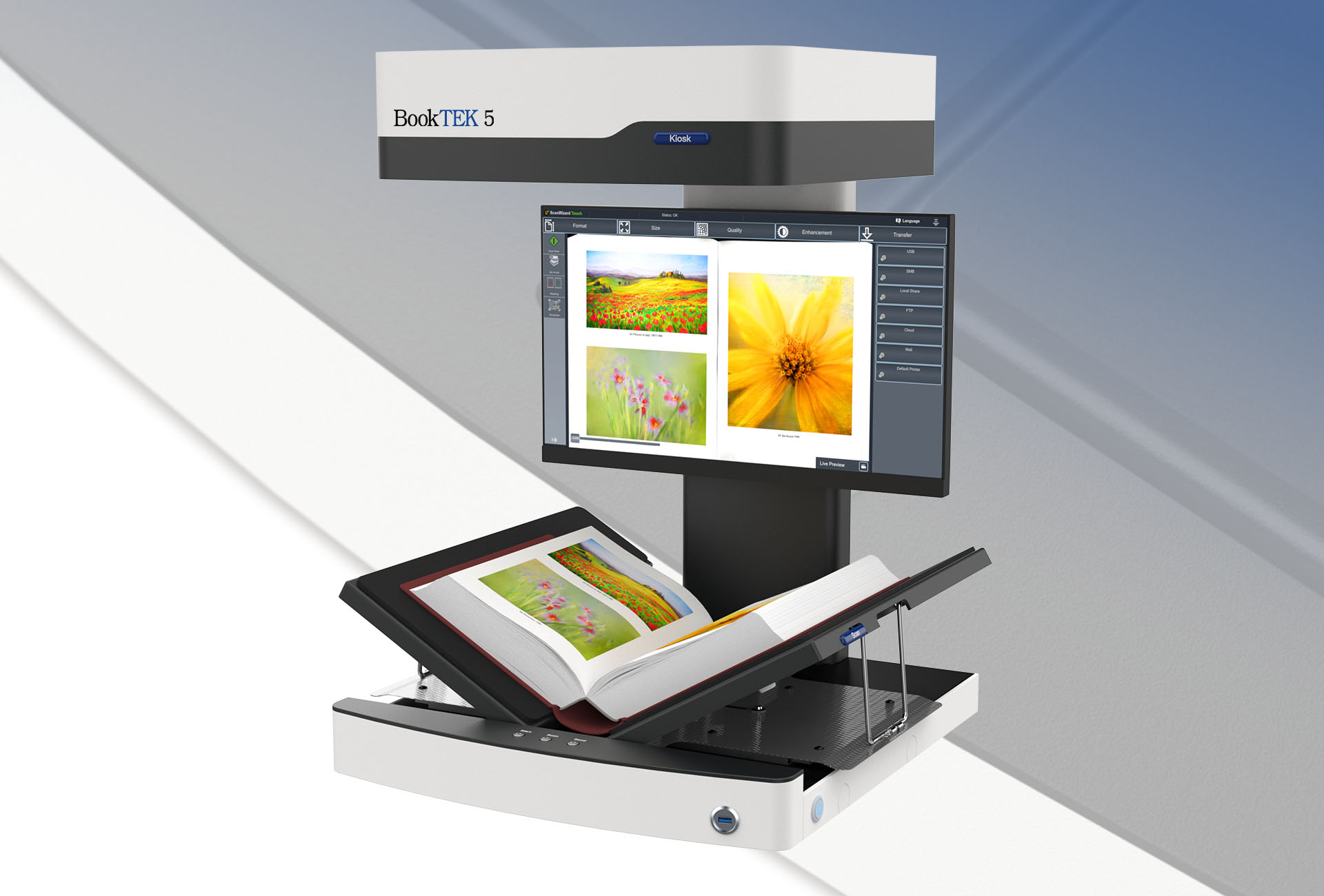
Digitization offers a practical solution by converting physical materials into digital formats that are easier to access, manage, and preserve. However, scanning books presents unique challenges that standard office scanners often cannot handle efficiently. This is where automated book scanning solutions such as ScanRobot play an important role.
By combining speed, accuracy, and preservation, automated book scanning helps organizations digitize large collections while protecting the original materials.
Why Traditional Book Scanning Creates Challenges
Scanning loose sheets of paper is usually straightforward, but books and bound documents require a different approach. Staff often need to handle each page carefully, position books correctly, and capture images one page at a time.
For large collections, this process quickly becomes time-consuming and resource-intensive. The repeated handling can also place unnecessary strain on older books, fragile records, and valuable archival materials.
As digitization projects increase in size, organizations often struggle to maintain efficiency while preserving the condition of their collections.
How ScanRobot Simplifies Large Digitization Projects
ScanRobot helps organizations digitize books more efficiently by automating much of the scanning process. Instead of relying heavily on manual page-by-page scanning, teams can capture large volumes of content in a more structured and consistent manner.
The system supports high-volume digitization projects while maintaining image quality and reducing the amount of manual effort required. This allows organizations to complete projects faster without sacrificing accuracy.
For libraries, archives, universities, and government institutions, the ability to digitize large collections efficiently can significantly reduce project timelines and operational costs.
Key Benefits of Automated Book Scanning
One of the biggest advantages of automated book scanning is productivity. Organizations can process more materials in less time, making it easier to manage large-scale digitization initiatives.
Consistency is another important benefit. Automated workflows help produce uniform digital files that are easier to organize, store, and retrieve.
Book preservation also remains a major consideration. Excessive handling can damage valuable materials over time. Automated scanning reduces unnecessary contact with books and helps preserve their physical condition for future generations.
In addition, digitized collections provide faster access to information. Users can retrieve records electronically instead of searching through shelves, storage rooms, or archive boxes.
Industries That Benefit from Automated Book Scanning
Many sectors rely on automated book scanning to preserve information and improve accessibility.
Libraries use it to digitize books and research materials.
Universities convert academic resources, theses, and historical collections into digital formats that support teaching and research.
Government agencies digitize records, registers, and public documents to improve access and long-term preservation.
Museums and archives use automated scanning to protect rare collections while making information available to researchers and the public.
Corporate organizations also benefit by digitizing technical manuals, historical records, and operational documentation that support business continuity.
Supporting Long-Term Digital Preservation
Digitization is not only about creating digital copies. It also helps organizations build sustainable digital archives that preserve valuable information for the future.
Once scanned, materials can be indexed, organized, and integrated into archive management systems such as NAINUWA and other digital repository platforms. This makes information easier to search, retrieve, and manage over time.
A well-planned digitization strategy allows organizations to protect important knowledge resources while improving access for employees, researchers, and stakeholders.
Looking Ahead
As organizations continue to expand their digital transformation efforts, the demand for efficient book digitization will continue to grow. Automated book scanning technologies such as ScanRobot provide a practical way to convert large collections into accessible digital resources while preserving the integrity of the original materials.
By improving efficiency, supporting preservation, and enhancing information access, automated book scanning helps organizations unlock the long-term value of their collections and build stronger digital archives for the future.