

Why Some Technology Investments Fail After Installation
October 16, 2026
What Makes a Digital Collection Worth Exploring?
October 16, 2026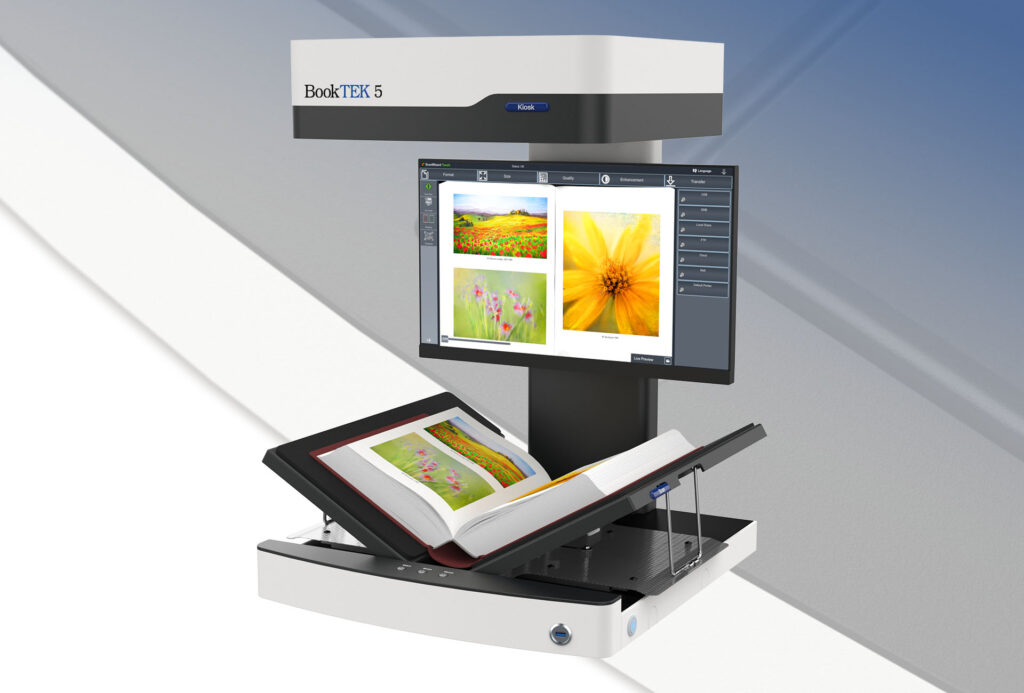
Digitizing a few books may seem like a simple task. With the right equipment and a dedicated team, a library or institution can gradually convert its physical collections into digital resources. But what happens when a few hundred books become several thousand, and the same small team must handle every stage of the process?
For many libraries, universities and archives, this is where the challenge begins. Staff members must prepare books, scan pages, check image quality, organize files and ensure that every digital copy is complete. As the collection grows, the workload can quickly exceed what a small team can manage, especially when employees still have other responsibilities.
The question is no longer whether the organization can scan its books, but whether its current approach can handle the volume of work efficiently.
Why Book Scanning Takes More Time Than Expected
Book scanning involves much more than placing pages under a scanner. Every book requires preparation, careful handling and attention to detail, particularly when dealing with bound materials that cannot open completely flat.
In a manual scanning process, an operator may need to position the book, turn each page, capture the image and check that the text remains clear and readable. The team must also review the completed files to identify missing pages, blurred images or other errors.
These steps may seem manageable for a small collection, but they become increasingly demanding when thousands of books need attention. A project involving 5,000 books, for example, could represent more than a million pages, depending on the size of each volume.
Without a realistic plan, what begins as a manageable project can stretch into months or years.
When the Workload Begins to Affect Other Responsibilities
One of the clearest signs that a book scanning project has become too demanding is when staff struggle to balance it with their regular duties.
Librarians still need to assist readers, manage collections and support research activities. Archive staff must maintain records, respond to requests and care for valuable materials. When scanning consumes most of their working hours, other important services may begin to suffer.
The pressure can also affect scanning quality. Employees working against tight deadlines may overlook missing pages, inconsistent images or errors that require additional work later.
Rather than asking a small team to work continuously at maximum capacity, organizations should consider whether their scanning process needs a more efficient approach.
Can Automation Make Large Book Scanning Projects Easier?
For institutions managing extensive collections, automated book scanning can significantly reduce the amount of repetitive manual work involved.
Systems such as ScanRobot help organizations process suitable books in larger volumes by automating parts of the page-turning and image-capture process. This allows operators to focus more attention on preparing materials, monitoring quality and managing the overall workflow.
However, automation does not mean that every book can go through the same process. Fragile, damaged or unusually bound materials may require specialist handling and professional book scanners such as Bookeye.
The most effective approach depends on the condition of the collection, the number of books involved and the quality the organization expects from the digital copies.
More Scanned Pages Do Not Always Mean Better Results
Speed matters in a large project, but completing more scans each day should never come at the expense of quality.
A digital collection becomes less useful when pages are missing, images are unclear or files are poorly organized. These problems can force institutions to repeat work, increasing both the time and cost of the project.
Organizations need a workflow that combines efficient scanning with consistent quality checks, proper file organization and clear project targets.
They should also plan what happens after scanning. OCR can make suitable printed text searchable, while metadata and digital archive systems help users find and access the completed materials.
A platform such as NAINUWA can support the management of digital collections, ensuring that the work invested in scanning produces resources people can actually use.
Knowing When to Change Your Approach
A small team does not necessarily need more employees to complete a large scanning project. Sometimes, the better solution is to improve the process, introduce suitable equipment or seek professional support.
If scanning backlogs continue to grow, deadlines repeatedly shift or staff spend more time correcting errors than making progress, the organization should review its current approach.
Eemediba provides ScanRobot automated book scanning solutions, Bookeye professional book scanners and digitization services to help libraries, universities and archives manage collections of different sizes and conditions.
With the right equipment, planning and technical support, institutions can handle larger projects more efficiently while maintaining the quality and care their collections require.
Make the Workload Manageable Without Compromising Quality
Book scanning should help libraries and institutions make their collections more accessible, not overwhelm the people responsible for managing them.
As projects grow, organizations need to recognize when manual processes can no longer meet their needs and consider better ways to manage the work.
The goal is not simply to scan more books in less time. It is to build a process that allows your team to work efficiently, protect valuable materials and create digital collections that remain useful for years to come.