
Why Important Business Decisions Get Lost Between Meetings
October 16, 2026
When Does Book Scanning Become Too Much Work for a Small Team?
October 16, 2026
Businesses invest in technology to solve problems, improve productivity and make everyday operations easier. Whether it is a new document management system, professional equipment or business software, the expectation is usually the same: better performance, faster processes and improved results.
Yet, many organizations discover that buying and installing the technology is the easiest part. Months later, employees may still prefer their old methods, expensive equipment may sit underused, and the problems the technology was meant to solve remain unresolved.
The issue is not always the technology itself. In many cases, the real challenge is how the organization prepares for, introduces and manages the new system.
Buying the Right Technology Is Only the Beginning
A business may invest in a powerful system with impressive features, but those features mean little if they do not address its actual needs.
For example, an organization might purchase a document management system without first understanding how employees create, share and approve documents. The software may work perfectly, yet employees struggle to fit it into their daily responsibilities.
Before investing in any technology, organizations need to identify the problems they want to solve, understand their existing processes and determine what successful implementation should look like.
This helps ensure that the investment supports the way the business operates rather than creating another layer of complexity.
Employees Need More Than a Brief Introduction
One of the most common reasons technology investments fail to deliver results is inadequate staff training.
Organizations sometimes assume that employees will quickly understand a new system after a short demonstration. However, learning what a system can do is different from knowing how to use it confidently during everyday work.
Consider a library that installs a new automation system. If librarians do not fully understand how to manage catalogues, track borrowed books or generate reports, they may continue relying on manual records.
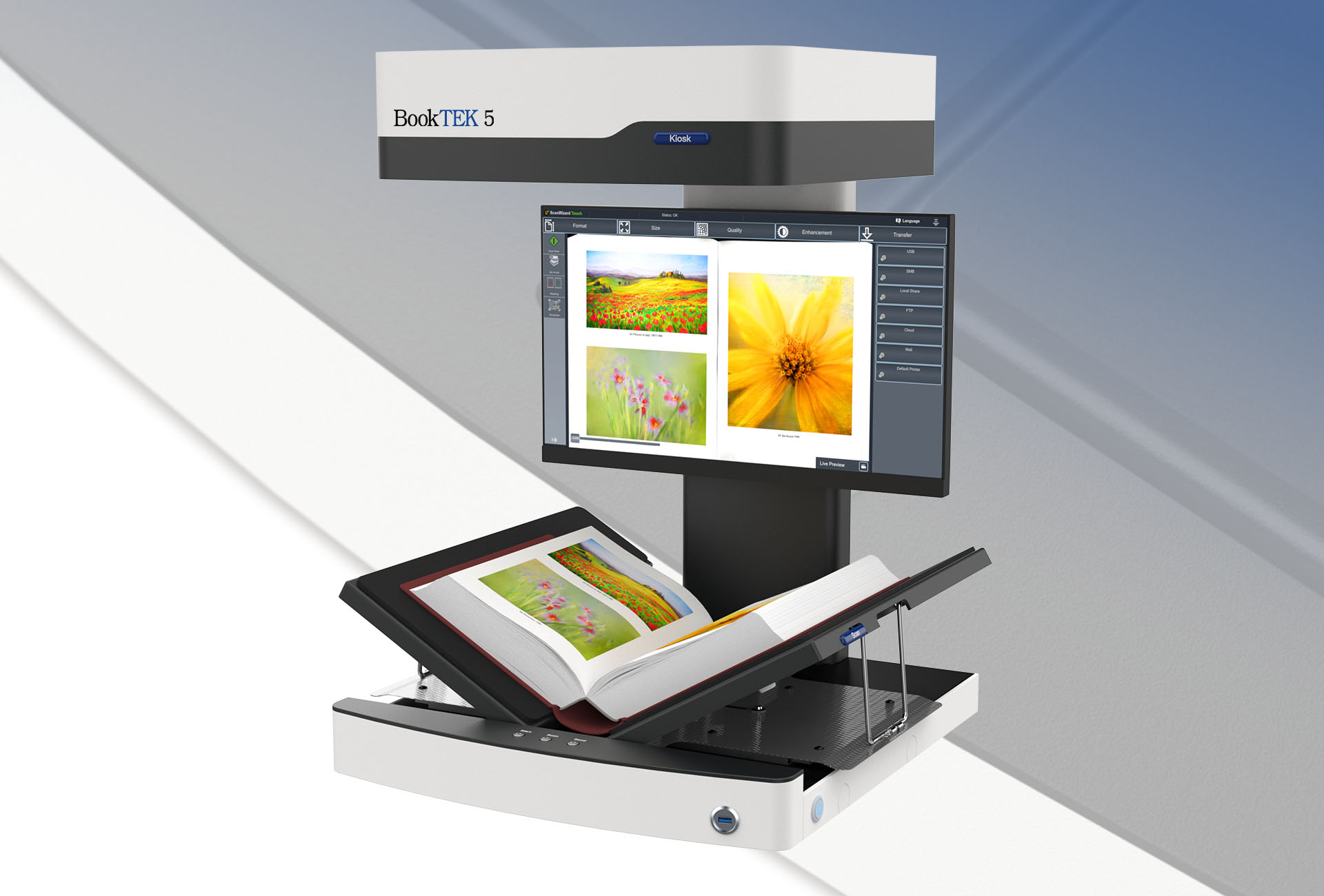
The same challenge applies to professional scanning equipment, document management platforms and other workplace technologies.
Proper training helps employees understand not only how to use the technology, but also how it improves their work. When people feel confident using a system, they are more likely to adopt it consistently.
New Technology Must Fit Into Existing Workflows
Introducing technology often changes how employees complete familiar tasks. Documents may move through new approval stages, departments may need to share information differently, and managers may have to adjust how they monitor work.
If organizations overlook these changes, employees may see the new system as an additional burden rather than a useful solution.
Successful implementation requires businesses to review their workflows, remove unnecessary steps and establish clear procedures for using the technology.
A document management solution such as InfoRouter, for instance, can support document control and structured workflows. However, an organization must still define who manages documents, who approves requests and how employees should use the system.
Technology works best when people and processes work together.
Installation Should Not Be the End of Support
Even with careful planning and training, employees may encounter challenges after they begin using a new system.
Some questions only arise during daily operations, while others appear as the organization grows or introduces new requirements. Without reliable technical support, small difficulties can discourage employees from using the technology.
Organizations should therefore consider ongoing support, system maintenance and opportunities for additional training before making a purchase.
Regular reviews also help management understand whether the investment is producing the expected results. Are employees completing tasks faster? Has the system reduced errors? Are teams using its important features?
These questions help businesses identify areas for improvement before minor challenges become larger problems.
Measure the Results, Not Just the Installation
A successful installation does not automatically mean a successful technology investment.
Organizations need to measure whether the new solution has improved the work it was purchased to support. For a library, this might mean faster book searches and more efficient circulation management. For a business using document management software, it could mean quicker approvals, better document control and less time spent searching for information.
Setting clear goals before implementation makes it easier to evaluate performance afterwards.
When organizations measure results and listen to employee feedback, they can make adjustments that improve the value of their technology investments over time.
Make Every Technology Investment Count
Technology should make work easier, not introduce new problems that employees must struggle to overcome. Achieving that outcome requires careful planning, the right solution, proper training and dependable support.
Eemediba provides professional technology solutions, consultancy and training services to help organizations select, implement and use information management systems and specialist equipment effectively. Its solutions, including InfoRouter, WideTEK, Bookeye and ScanRobot, support different operational needs across businesses, libraries and institutions.
By combining suitable technology with the knowledge and support needed to use it, organizations can achieve more from their investments.
The real value of technology is not in having it installed. It is in how well it works for the people and processes it was meant to improve.